
Face hair removal is one of those routines almost everyone deals with and almost nobody discusses. Upper lip, chin, jawline, sideburns, the fine fuzz along the cheeks — the hair is normal, extremely common, and entirely your choice whether to remove.
What makes it complicated is that facial skin is not body skin. It is thinner, more visible, more prone to pigmentation, and often already carrying retinoids, acids or acne treatments. A method that works beautifully on your legs can leave your face irritated for a week.
This guide compares eight face hair removal methods honestly — how long each lasts, what it costs, what it does to facial skin, and who each one actually suits.
Key Takeaways
- No single face hair removal method is best — the right one depends on your hair colour, skin tone, budget and how permanent you want the result.
- Electrolysis is the only method classed as permanent hair removal. IPL and laser deliver permanent hair reduction.
- Shaving does not make facial hair grow back thicker or darker. That is a myth, and a persistent one.
- If you use a retinoid, avoid waxing entirely — it can lift skin. This is the most common face hair removal injury there is.
- Light-based face hair removal needs dark hair. It does not work on blonde, red, grey or white hair.
- Sudden, coarse new growth with irregular periods or acne is worth a GP visit before any hair removal decision.
Why Face Hair Removal Is Different From Body Hair Removal
Facial skin is roughly half the thickness of the skin on your legs, sits over a dense network of blood vessels, and is the one area of your body permanently on display. Three consequences follow.
First, irritation shows. Redness that would be invisible on a shin is obvious on a chin. Second, post-inflammatory hyperpigmentation is far more likely, particularly on medium and deeper skin tones — a dark mark left behind can outlast the hair problem by months. Third, most people apply active skincare to their face and nowhere else, and actives dramatically change how skin responds to hair removal.
That last point deserves emphasis. If you use tretinoin, retinol, glycolic or salicylic acid, your skin is turning over faster and is more fragile than you think. Warm wax can bond to that surface and lift it away. Most clinics ask you to stop retinoids for five to seven days before any facial waxing, and it is not a formality.
8 Face Hair Removal Methods, Compared
| Method | Lasts | Pain | Best for | Main risk |
|---|---|---|---|---|
| Shaving / dermaplaning | 1–3 days | None | Fine fuzz, quick fixes | Nicks, irritation |
| Tweezing | 2–4 weeks | Moderate | A few stray hairs | Ingrowns, scarring if overdone |
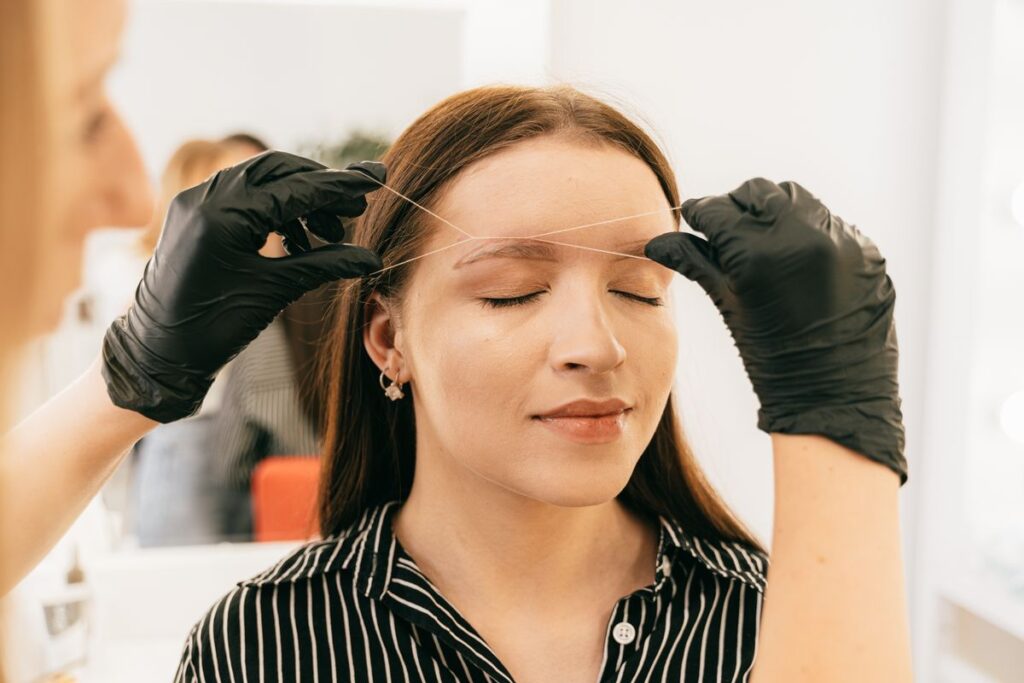
| Threading | 2–4 weeks | Moderate | Brows, upper lip | Redness, brief bumps |
| Waxing | 3–6 weeks | Moderate-high | Larger areas | Skin lifting, burns |
| Depilatory cream | 3–7 days | None | Sensitive to plucking | Chemical burns, reactions |
| At-home IPL | Months+ | Low | Dark hair, ongoing reduction | Ineffective on light hair |
| Professional laser | Months+ | Moderate | Faster reduction | Cost, burns if unskilled |
| Electrolysis | Permanent | High | Any hair colour | Slow, expensive, scarring risk |
1. Shaving and Dermaplaning
The fastest and cheapest option, and the most unfairly maligned. Shaving cuts hair at the surface; it cannot touch the follicle, so it cannot change how thick or dark regrowth is. Stubble simply feels coarser because a blunt cut end is blunter than a tapered natural tip.
Dermaplaning uses a blade held at an angle to remove vellus hair plus surface dead skin. It leaves skin noticeably smooth and makeup sits better, but it is genuine exfoliation — do not stack it with acids or retinoids on the same day.
2. Tweezing
Perfect for a handful of stray chin hairs, unsuitable for anything more. Repeated plucking of the same follicle over years can cause folliculitis, ingrown hairs and occasionally scarring or a distorted follicle that produces a curlier, more troublesome hair.
3. Threading
A twisted cotton thread lifts hairs out in a row. It offers more precision than wax, uses no chemicals or heat, and suits sensitive or retinoid-treated skin far better than waxing does. Expect redness for an hour or two. It is the most controlled of the traditional face hair removal options.
4. Waxing
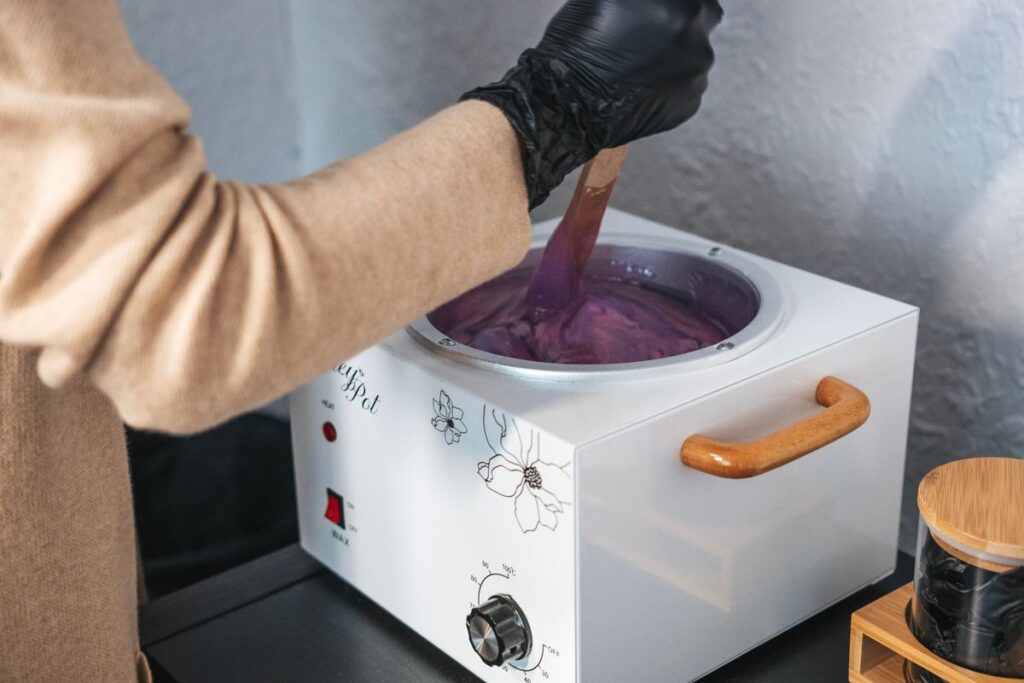
Effective and long-lasting across larger areas, but the highest-risk method for facial skin. The dangers are real: burns from overheated wax, and skin lifting when the surface has been thinned by actives, recent sun or certain medications.
Stop retinoids five to seven days beforehand, never wax over active acne or broken skin, and always patch test a new salon or product.
5. Depilatory Creams
These dissolve the hair’s protein structure chemically. Painless and cheap, but they work by breaking down keratin — and your skin is also made of keratin, which is why leaving them on too long causes burns.
Only use formulas explicitly labelled for facial use, never near the eyes, always patch test 24 hours ahead, and never exceed the stated time. The smell is unpleasant for a reason.
6. At-Home IPL
Broad-spectrum light targets melanin in the hair, heating the follicle and progressively reducing regrowth. It is the main at-home route to lasting face hair removal rather than repeated maintenance, and it is covered in detail further down.
7. Professional Laser
A single concentrated wavelength at higher energy, so results come faster — typically six to eight sessions spaced six to eight weeks apart for facial areas. It costs considerably more and is felt more sharply, particularly on the upper lip. We covered exactly what that feels like in Does Laser Hair Removal Hurt?
8. Electrolysis
A fine probe destroys each follicle individually with an electric current. It is the only method recognised as permanent hair removal, and crucially the only one that works regardless of hair colour — the sole real option for blonde, red, grey or white facial hair.
The trade-off is time. One follicle at a time means many sessions over months or years, at meaningful cost. For a small area such as a few chin hairs, it is entirely practical.
Which Face Hair Removal Method Is Right for You?
- A few stray hairs: tweezing, or electrolysis if you want them gone permanently.
- Fine fuzz and smoother makeup: dermaplaning or shaving.
- Upper lip and brows, sensitive skin: threading.
- Dark hair, want it to stop coming back: at-home IPL, or laser if budget allows.
- Blonde, red, grey or white hair: electrolysis is your only permanent route. Light-based methods will not work.
- Using retinoids or acids: avoid waxing. Thread, shave or use IPL instead.
IPL for Face Hair Removal: What to Know

IPL is the most practical at-home option for lasting face hair removal, but it comes with genuine limits that are worth stating plainly before you buy anything.
It needs contrast. IPL targets melanin, so it works on dark hair against lighter to medium skin (Fitzpatrick I–V). On blonde, red, grey or white hair there is not enough pigment to absorb the light, and no device will change that.
Facial rules are stricter. Keep the device below the cheekbones and never use it around the eyes. Treat the upper lip, chin, jawline and sideburns only. Shave the day before rather than waxing or plucking — IPL needs the follicle intact beneath the surface.
The face is hormonally driven. Facial hair responds to androgens in a way leg hair does not, so it typically needs more maintenance top-ups than the body. Expect an initial course of 8–12 weekly sessions, then occasional sessions to hold results — more detail in Is IPL Hair Removal Permanent?
If that fits your hair and skin, the SnowySkin™ IPL Laser Hair Removal Handset is FDA-cleared, painless, safe for use on the upper lip, chin and jawline, and backed by a 90-day money-back guarantee.
Face Hair Removal Mistakes to Avoid
- Waxing while using a retinoid. The single most common way people injure their face removing hair.
- Skipping the patch test. Applies to depilatory creams, wax and IPL alike.
- Removing hair right before an event. Redness and bumps need 24–48 hours to settle. Do it two days ahead.
- Going over the same patch repeatedly. Whether blade, wax or tweezers, repetition is what causes irritation and ingrown hairs.
- Ignoring sun exposure. Freshly treated facial skin pigments easily. Use SPF daily, and never use IPL or laser on recently tanned skin.
- Treating a hormonal cause cosmetically. If the hair is new, coarse and spreading, removal treats the symptom only.
Face Hair Removal Aftercare
Whatever method you use, the 24 hours afterwards matter. Cleanse with something mild and fragrance-free, skip actives for a day, and apply a simple moisturiser. A cool compress settles redness quickly.
Avoid heavy makeup over freshly treated skin, since open follicles are more prone to blocking and folliculitis. Skip saunas, steam rooms and vigorous exercise for the rest of the day, and apply SPF the following morning without fail.
When Facial Hair Needs a Doctor, Not a Razor
Most facial hair is completely normal and simply a cosmetic preference. But a specific pattern is worth investigating rather than just removing.
Hirsutism — coarse, dark hair growing in a male pattern on the face, chest or back — affects an estimated 5–10% of women and is driven by androgens. Polycystic ovary syndrome is the most common underlying cause, though thyroid conditions, certain medications and, rarely, adrenal disorders can be responsible.
See a GP if new coarse facial hair appears suddenly or spreads quickly, or if it comes alongside irregular or absent periods, acne, hair thinning on the scalp, or a deepening voice. The NHS guidance on excessive hair growth and Cleveland Clinic’s overview of hirsutism both set out what assessment involves. Treating the cause often reduces the hair itself, and makes any cosmetic face hair removal work better.
Frequently Asked Questions About Face Hair Removal
What is the best face hair removal method?
There is no single best method — it depends on your hair colour, skin tone and goal. For a few stray hairs, tweezing or electrolysis. For fine fuzz, dermaplaning or shaving. For the upper lip and brows, threading. For dark hair you want gone long term, IPL or laser. For blonde, red, grey or white hair, electrolysis is the only permanent option.
Is face hair removal permanent?
Only electrolysis is classed as permanent hair removal. IPL and laser deliver permanent hair reduction — a lasting decrease in the number of hairs, with regrowth returning finer and lighter. Shaving, threading, waxing, tweezing and depilatory creams are all temporary, lasting between a day and six weeks.
Does shaving your face make hair grow back thicker?
No. This is a myth. Shaving cuts the hair at the skin surface and has no effect on the follicle, which is what determines thickness, colour and growth rate. Regrowth feels coarser because a razor leaves a blunt cut end rather than a naturally tapered tip, but the hair itself is unchanged.
Is face hair removal safe if I use retinol?
Some methods are, and one clearly is not. Avoid waxing — retinoids speed skin turnover and thin the surface, so warm wax can lift skin away and cause a raw patch. Stop retinoids five to seven days before any facial waxing. Threading, shaving and IPL are generally safe alternatives, though you should still skip actives for 24 hours afterwards.
Does IPL work for face hair removal on blonde or grey hair?
No. IPL and laser both target melanin, the pigment in hair. Blonde, red, grey and white hair contains too little melanin to absorb enough light energy, so the follicle is never heated sufficiently. Electrolysis is the only method that works independently of hair colour.
How often do I need face hair removal with IPL?
A typical initial course is 8–12 weekly sessions, with visible thinning after two or three. Because facial hair is hormonally influenced, it usually needs maintenance sessions every four to eight weeks afterwards — more frequently than legs or underarms, which hold results for longer.
Can I do face hair removal while pregnant?
Shaving, threading and tweezing are generally considered fine. Most manufacturers advise against IPL and laser during pregnancy — not because harm is proven, but because it has not been studied, and pregnancy hormones often cause temporary hair growth that resolves afterwards anyway. Depilatory creams should be discussed with your midwife or GP. Check with a healthcare professional before starting anything new.
Why do I get spots after face hair removal?
Hair removal briefly leaves follicles open and slightly inflamed, and bacteria, heavy makeup or occlusive products can then block them, producing small pustules — usually folliculitis rather than true acne. Cleanse gently, skip makeup and actives for 24 hours, and avoid saunas and heavy sweating on the day.
Is dermaplaning the same as shaving?
Mechanically similar, but not identical in effect. Both cut hair at the surface, but dermaplaning uses a blade held at an angle to also remove a layer of dead skin cells, making it a form of physical exfoliation. That is why skin looks brighter afterwards — and why you should not combine it with acids or retinoids on the same day.
Sources and Further Reading
- American Academy of Dermatology — 6 ways to remove unwanted hair
- NHS — Excessive hair growth (hirsutism)
- Cleveland Clinic — Hirsutism: causes, PCOS and treatment
- DermNet — Hirsutism: excessive hair in females
- SnowySkin — Is IPL Hair Removal Permanent? How Long Results Actually Last
