
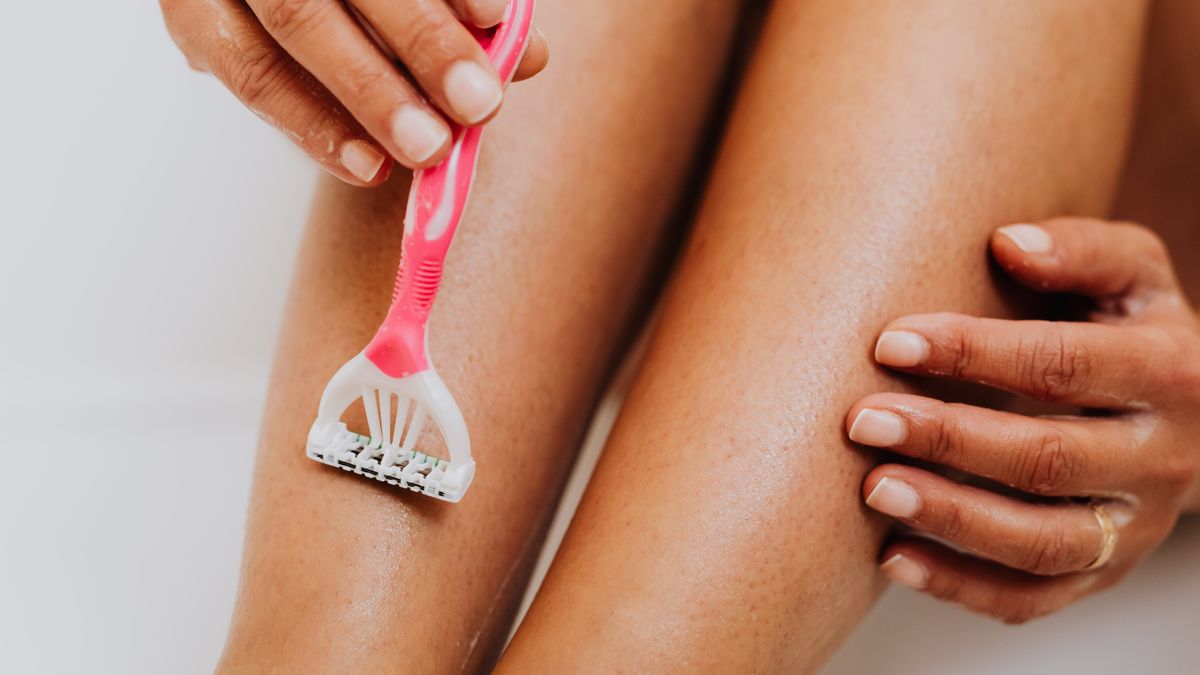
Razor burn is your skin filing a formal complaint. You dragged a multi-blade lawnmower across it at 7am, half-asleep, possibly with an old blade and definitely without enough gel, and now it is retaliating with a red, stinging, itchy protest across your neck, legs or bikini line. Rude of you, honestly. Understandable of it.
The good news: it calms down quickly if you treat it right, and it is almost entirely preventable once you know what actually causes it. The better news: there is a way to sidestep the whole cycle. Let’s get into it.
Quick answer: To get rid of razor burn fast, stop shaving the area, apply a cool compress, and soothe the skin with a fragrance-free moisturiser or aloe vera. Avoid friction, heat and further shaving until it settles, usually within a few hours to a couple of days. To prevent it, use a sharp blade, plenty of lubricant, and shave in the direction of hair growth.
Key Takeaways
- Razor burn is immediate skin irritation from shaving: redness, stinging and itching. It is not the same as razor bumps, which are ingrown hairs.
- The fastest fix is to stop shaving, cool the skin, and soothe it. Most cases settle within hours to two days.
- The usual culprits: a dull blade, a dry shave, too much pressure, and going over the same patch repeatedly.
- Prevention beats treatment every time. Sharp blade, real gel, with the grain, no pressing.
- The only way to never get it again is to shave less, which is where reducing the hair itself comes in.
What Is Razor Burn?
Razor burn is skin irritation caused by shaving, showing up as redness, a burning or stinging sensation, itchiness and sometimes small red patches, minutes to hours after you shave. It is a friction-and-irritation problem, and it is different from razor bumps.
The distinction matters because the fixes differ. Razor burn is the immediate rash. Razor bumps, known medically as pseudofolliculitis barbae, are ingrown hairs that curl back into the skin days later. They often travel together, but they are not the same beast. Razor bumps are also strikingly common: according to dermatological literature, they affect over 50% of people with curly hair who shave, with some studies reporting rates as high as 83%. If you have both, treat the burn first and the bumps second.
What Causes Razor Burn?

Almost every case traces back to friction, and a handful of habits crank that friction up.
- A dull blade. A blunt razor drags and tugs instead of slicing cleanly, so it scrapes the skin. This is the number one cause, and the easiest to fix.
- Shaving dry, or with soap. No lubricant means the blade grinds across bare skin. Bar soap is not a shaving product, whatever your flatmate claims.
- Pressing too hard. The blade should glide. Bearing down does not get you closer, it just files your skin.
- Going over the same spot again and again. Each repeat pass removes a little more skin barrier. Three strokes over one patch is three times the irritation.
- Shaving against the grain on sensitive skin. Closer, yes. Angrier, also yes.
7 Proven Ways to Get Rid of Razor Burn Fast

1. Stop Shaving the Area
This is the whole game, and the step everyone resents. Shaving over already-irritated skin is like sanding a graze. Give the area a few days off and let the barrier repair. Nothing else on this list works if you keep shaving through it.
2. Cool It Down
A cool (not ice-cold) compress calms the heat and redness within minutes. Hold a clean, damp flannel against the area for five to ten minutes. Skip hot showers on the spot for a day, since heat feeds the irritation.
3. Soothe With the Right Ingredients
Reach for calming, boring, fragrance-free products. Aloe vera, colloidal oatmeal, and a simple fragrance-free moisturiser all reduce irritation and support the skin barrier. What you want is dull and gentle, not a serum with 14 active ingredients and an opinion.
4. Avoid Everything Harsh
While it heals, keep exfoliating acids, retinoids, fragranced lotions and alcohol-based products well away from the area. Irritated skin does not need extra chemistry. It needs to be left in peace.
5. Reduce Friction From Clothing
Tight jeans on freshly burned bikini-line skin, or a stiff collar on a shaved neck, will drag out the healing. Wear loose, soft, breathable fabrics until the redness fades. Cotton is your friend here.
6. Use Hydrocortisone for Stubborn Itch
If the itch or inflammation is persistent, a thin layer of over-the-counter 1% hydrocortisone once or twice a day for a couple of days can settle it. Use it sparingly and briefly, not as a daily habit, and not on broken skin.
7. Do Not Scratch or Pick
Scratching razor burn breaks the skin, invites infection, and can leave dark marks long after the burn itself would have vanished. Hands off. If the urge is unbearable, that is what the cool compress is for.
How to Prevent Razor Burn
- Shave at the end of a warm shower, once hair has softened.
- Always use a proper shaving gel or cream, never a dry blade or bar soap.
- Replace your blade every five to seven shaves. A sharp blade is the single best anti-burn tool you own.
- Shave with the grain, use light strokes, and rinse the blade often.
- Moisturise afterwards, and exfoliate gently between shaves (never on freshly shaved or burned skin).
The Permanent Fix: Shave Less Often
Every razor burn tip above manages a problem the razor keeps creating. There is a more direct logic: the less you shave, the less of it you can possibly get. You cannot burn skin with a blade you are not using.
This is where IPL earns its place. By reducing how much hair grows back, it stretches the gap between shaves from days to weeks, and eventually to the occasional touch-up. Fewer shaves means fewer blades dragging across your skin, which means far less irritation. It also helps with the razor bumps that keep it company, since both share the same root cause. If your neck, legs or bikini line are in a permanent state of complaint, the SnowySkin™ IPL Laser Hair Removal Handset tackles the cause rather than the symptom, and it is backed by a 90-day money-back guarantee. For how it compares to other methods, see IPL vs Laser Hair Removal.
Where It Strikes Worst
Some areas suffer more than others, and knowing which helps you adjust before the damage is done.
- The neck. Daily shaving over curved, tightly curled hair makes this the classic trouble spot, especially for men. It is also where bumps and irritation most often overlap.
- The bikini line. Thin skin, coarse hair, constant friction from underwear and a warm, occluded environment. A near-perfect recipe for irritation.
- The underarms. Skin folds, constant movement and a spritz of deodorant onto freshly shaved skin, which stings for a reason.
- The legs. Rarely the most sensitive, but the largest area, so a rushed dry shave here spreads the misery over the most skin.
When to See a Doctor
Most razor burn clears on its own. See a doctor or pharmacist if the area becomes increasingly painful, swollen, warm or oozing, which can signal infection, or if you get severe, recurring irritation despite good technique. Persistent razor bumps that scar or darken the skin are also worth a professional opinion.
Frequently Asked Questions About Razor Burn
How do you get rid of razor burn fast?
Stop shaving the area, apply a cool compress for a few minutes, and soothe the skin with aloe vera or a fragrance-free moisturiser. Avoid heat, friction and harsh products while it heals. Most cases settle within a few hours to two days once you stop irritating the skin.
How long does razor burn last?
Mild irritation often fades within a few hours. More pronounced irritation can take one to three days to clear fully. If it lasts longer than that, or worsens, the problem may be razor bumps or an infection rather than simple irritation, and it is worth a closer look.
What is the difference between razor burn and razor bumps?
Razor burn is immediate irritation from shaving: redness, stinging and itching that appears within hours. Razor bumps are ingrown hairs that curl back into the skin and appear as raised bumps days later. Razor burn is a surface friction problem; razor bumps are a follicle problem. They often occur together but need slightly different care.
Does razor burn go away on its own?
Yes, in most cases it resolves by itself within a day or two once you stop shaving the area and avoid further irritation. Cooling and soothing the skin speeds it up. You only need medical help if it shows signs of infection or keeps returning severely.
What should you not do with razor burn?
Do not keep shaving the area, do not scratch or pick at it, and do not slather it in fragranced or active products. Avoid hot water and tight clothing on the spot. Each of these prolongs the irritation or risks turning a minor rash into broken skin or a dark mark.
Can you prevent razor burn completely?
You can dramatically reduce it with good technique: a sharp blade, plenty of gel, shaving with the grain, light pressure and no repeat passes. The only way to remove the risk entirely, though, is to shave less often, which is why reducing the hair with a method like IPL is the most complete long-term answer.
Is razor burn the same as an allergic reaction?
No. Razor burn is mechanical irritation from the blade and friction. An allergic reaction, for example to a shaving product, tends to be itchier, more widespread, and may include swelling or hives. If irritation appears mainly after using a specific product rather than from the act of shaving, suspect a reaction and stop using it.
Does shaving against the grain cause razor burn?
It can, especially on sensitive skin. Shaving against the direction of hair growth gives a closer result but cuts the hair below the skin surface and increases friction and irritation. If you are prone to it, shave with the grain and accept a slightly less close finish in exchange for far less redness.
Will IPL stop razor burn?
Indirectly, and effectively. IPL reduces how much hair grows back, so you shave far less often, and less shaving means less irritation. It does not treat an existing burn, but over time it removes the repeated blade contact that causes the problem in the first place. It also helps with the ingrown hairs that often accompany it.
Sources and Further Reading
- Perry PK et al. — Defining pseudofolliculitis barbae in 2001: a review of the literature and current trends (PubMed, National Library of Medicine)
- American Academy of Dermatology — Razor bump prevention tips from dermatologists
- SnowySkin — How to Get Rid of Ingrown Hairs and IPL vs Laser Hair Removal
