

Dark underarms are the skincare problem nobody posts about. You will happily discuss your retinol routine at a dinner party, but the faint shadow under your arms that makes you think twice before a sleeveless top? That stays private. So let’s talk about it properly, because it is extremely common, rarely serious, and far more fixable than the internet’s parade of lemon-and-baking-soda “hacks” would suggest.
Most importantly, dark underarms are usually a symptom, not a stain. Once you understand what your skin is actually reacting to, fading it becomes a matter of removing the cause rather than scrubbing harder and hoping.
Quick answer: To get rid of dark underarms, switch from close daily shaving to gentler hair removal, exfoliate gently with a chemical exfoliant rather than scrubbing, use brightening ingredients like niacinamide or azelaic acid, and cut out irritating fragranced deodorants. Most underarm darkening is post-inflammatory hyperpigmentation caused by repeated irritation, so removing that irritation is what allows it to fade. Persistent, velvety, thickened darkening should be checked by a doctor.
Key Takeaways
- Dark underarms are usually post-inflammatory hyperpigmentation: your skin over-producing melanin in response to repeated irritation.
- The main triggers are shaving, friction, harsh deodorants and dead-skin buildup. Fix the trigger and the colour fades.
- Gentle chemical exfoliation and brightening actives like niacinamide work. Aggressive scrubbing and DIY acid “hacks” make it worse.
- IPL can help with two contributors, the shadow of dark stubble and shaving irritation, but it does not lighten pigment and has skin-tone limits.
- Velvety, thickened dark patches can signal acanthosis nigricans, which is a medical sign worth a doctor’s visit, not a cosmetic one.
What Are Dark Underarms, Really?
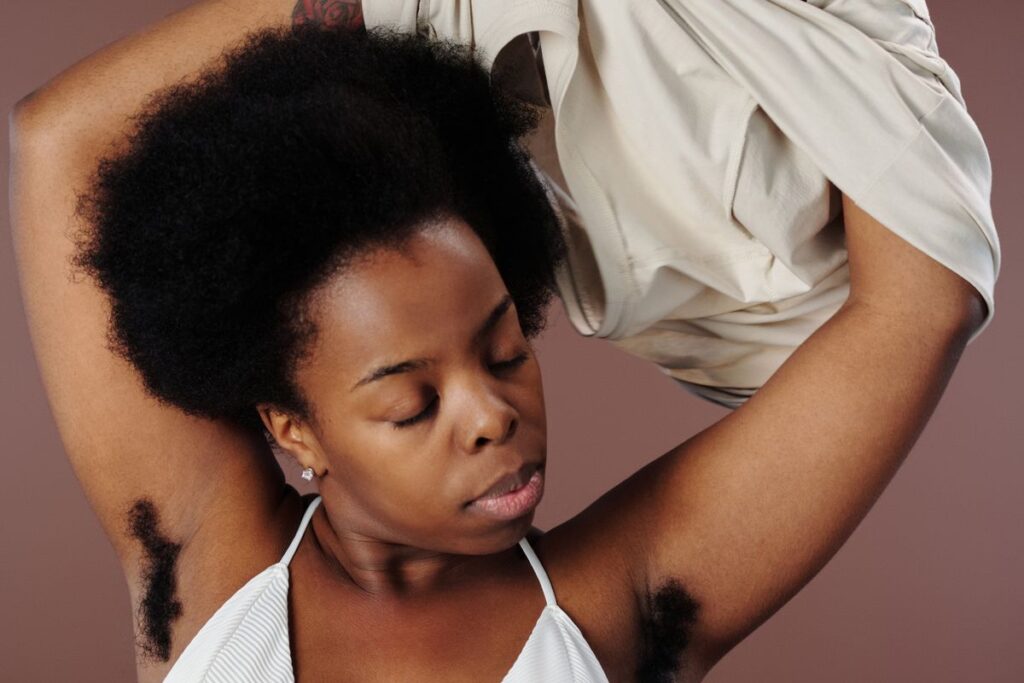
Dark underarms are patches of skin under the arm that appear noticeably darker than the surrounding area. In the large majority of cases they are a mild form of post-inflammatory hyperpigmentation, the same process that leaves a dark mark after a spot heals. According to a histological study of axillary skin published on PubMed, underarm darkening is best understood as this kind of low-grade, repeated pigmentation response rather than dirt or poor hygiene.
The mechanism is simple enough to picture. Melanin is the pigment that colours your skin. When skin is irritated or injured, the cells that make melanin go into overdrive and deposit extra pigment in the area. Do that once and it fades. Do it every few days for years, which is roughly what shaving your underarms amounts to, and the pigment accumulates faster than it clears. The darkness is your skin’s memory of being repeatedly provoked.
This is also why the scrubbing instinct backfires. Attacking the area with abrasive exfoliants or lemon juice adds fresh irritation, which triggers more melanin, which deepens the very thing you are trying to erase. The armpit is delicate, folded, warm skin. It responds to gentleness, not punishment.
What Causes Dark Underarms?
Several things feed the same pigmentation response. Usually more than one is at play, which is why single-ingredient miracle cures disappoint.
- Shaving. The blade irritates the skin and leaves dark stubble sitting just below the surface. Both make the area look darker, and frequent shaving keeps the irritation topped up.
- Friction. Tight tops, rough seams and skin-on-skin rubbing all inflame the area. Friction-driven pigmentation is a well-recognised pattern, and the underarm is a friction hotspot.
- Harsh products. Fragranced or alcohol-heavy deodorants and depilatory creams can irritate sensitive underarm skin, and irritation is the whole problem in a nutshell.
- Dead-skin buildup. A layer of accumulated dead cells looks dull and grey-brown, exaggerating any real pigmentation underneath.
- Stubble shadow. Even freshly shaved, dark hair packed into a small area shows through thin skin as a bluish-grey tint. This one is not pigment at all, just visible hair.
- Acanthosis nigricans. A distinct, velvety, thickened darkening that can be linked to insulin resistance and other conditions. This is medical rather than cosmetic, and it is covered further down.
6 Proven Ways to Get Rid of Dark Underarms
1. Change How You Remove the Hair
Since shaving is the leading cause, how you deal with underarm hair matters most. If you shave, do it at the end of a warm shower with a sharp blade and plenty of gel, in the direction of growth, and never over dry skin. Better still, shave less often. Depilatory creams suit some people but irritate others, so patch test first. The single most effective change is simply reducing how frequently a blade touches the skin.
2. Exfoliate Gently and Chemically
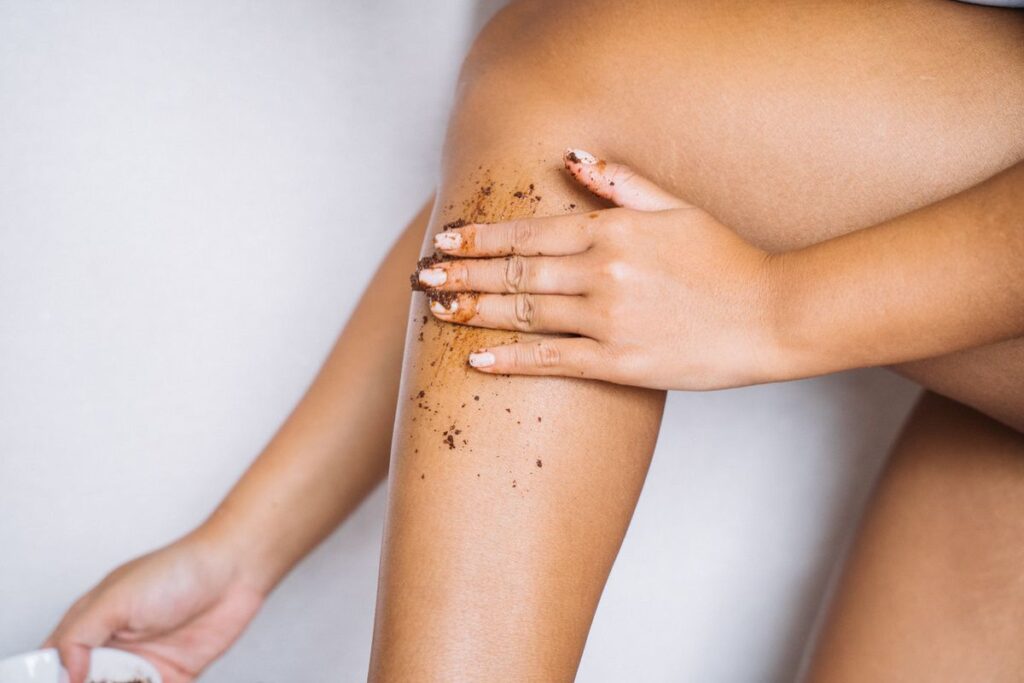
Swap the scrub for a mild chemical exfoliant. Lactic acid and other alpha-hydroxy acids dissolve dead-skin buildup and encourage brighter, more even skin, without the micro-tears a physical scrub inflicts. Use it two or three times a week, not daily, and stop if the skin stings rather than mildly tingles. This clears the dull surface layer that exaggerates the darkness.
3. Add a Brightening Active
Ingredients that regulate melanin production genuinely help true pigmentation. Niacinamide, azelaic acid, vitamin C and kojic acid are the well-tolerated options for at-home use, and they work gradually over weeks. For stubborn cases, a dermatologist can prescribe stronger agents such as hydroquinone, which the American Academy of Dermatology lists among the treatments used to even out skin tone. Consistency beats strength here, so pick one and stick with it.
4. Drop the Irritating Deodorant
If your deodorant is heavily fragranced or alcohol-based and your underarms are dark and sensitive, switch to a fragrance-free or sensitive-skin formula and see whether things calm down over a few weeks. This is not about any single scary ingredient. It is about removing a daily source of irritation from skin that is already reacting.
5. Reduce the Friction
Loose, breathable, natural fabrics give inflamed underarm skin room to recover. Tight synthetic tops that rub all day keep the irritation cycle spinning. If you work out, changing out of a damp, clingy top promptly afterwards helps more than it sounds like it should.
6. Be Patient and Protect the Skin
Pigmentation fades on the skin’s timeline, not yours. Cell turnover takes weeks, and hyperpigmentation can take months to lift even once the cause is gone. If your underarms see any sun, protect them, because UV deepens pigment. Above all, resist the urge to attack the area, since every aggressive “treatment” is another injury that restarts the clock.
Does IPL Get Rid of Dark Underarms?
This deserves an honest answer rather than a sales one, because IPL is often marketed as a fix for dark underarms and the truth is more specific. IPL does not lighten pigment. It is not a skin-brightening treatment, and it will not fade post-inflammatory hyperpigmentation directly.
What it does do is remove two of the contributors. First, it reduces the dark hair whose shadow shows through thin underarm skin, so the bluish-grey tint that is really just visible stubble goes away. Second, by cutting how often you need to shave, it removes one of the biggest ongoing sources of the irritation that drives the pigmentation in the first place. Less shaving means less inflammation means less new pigment over time.
So if your “dark underarms” are largely stubble shadow plus shaving irritation, IPL can make a genuine, visible difference. If the darkness is established melanin pigmentation, IPL alone will not shift it, and you will still need the exfoliation and brightening steps above. There is also an important limit worth repeating: light-based devices need dark hair on lighter-to-medium skin and are not suitable for the deepest skin tones, which we covered in detail in IPL for Dark Skin. Underarm darkness is more common on richer skin tones, so this caveat matters here more than most.
Used realistically, as a way to reduce hair and shaving rather than a lightening cure, the SnowySkin™ IPL Laser Hair Removal Handset can be one useful part of the plan for suitable skin and hair, and it is backed by a 90-day money-back guarantee. It also reduces the razor irritation and razor burn that keep the cycle going.
When Dark Underarms Need a Doctor
Most dark underarms are cosmetic and harmless. One pattern is not, and it is worth knowing. Acanthosis nigricans is a distinctive darkening that is velvety and slightly thickened to the touch, often appearing in the underarms, neck folds and groin. It can be associated with insulin resistance, type 2 diabetes, hormonal conditions and, less commonly, other medical issues.
If your underarm darkening feels velvety or raised rather than flat, appeared or spread quickly, or comes alongside symptoms like unexplained weight changes, see a doctor rather than reaching for another exfoliant. Treating the underlying condition is what improves the skin, and no amount of niacinamide addresses the root cause. This is the one situation where dark underarms are a message from your body rather than a grooming footnote.
Frequently Asked Questions About Dark Underarms
What causes dark underarms?
Dark underarms are usually post-inflammatory hyperpigmentation, meaning the skin produces extra melanin in response to repeated irritation. The most common triggers are shaving, friction from tight clothing, harsh or fragranced deodorants, and dead-skin buildup. Dark stubble showing through thin skin adds to the effect. Less often, a velvety, thickened darkening called acanthosis nigricans has a medical cause.
Are dark underarms permanent?
Usually not. Because the darkness is mostly pigmentation driven by irritation, removing the cause allows it to fade over weeks to months. Consistency with gentle exfoliation, brightening ingredients and reduced irritation is what clears it. Pigmentation from a medical condition like acanthosis nigricans improves when the underlying issue is treated.
How do I get rid of dark underarms fast?
There is no true overnight fix, and anything promising one usually irritates your skin and makes it worse. The fastest legitimate route is to stop close daily shaving, start a gentle chemical exfoliant a few times a week, add a brightening active like niacinamide, and switch to a fragrance-free deodorant. Expect gradual improvement over several weeks rather than days.
Does shaving cause dark underarms?
It is one of the biggest contributors. Shaving irritates delicate underarm skin, which triggers extra pigment, and it leaves dark stubble just below the surface that adds a shadow. Frequent, close, dry shaving is the worst combination. Switching to gentler technique or reducing how often you shave often produces visible improvement on its own.
Can deodorant cause dark underarms?
It can contribute if it irritates your skin. Heavily fragranced or alcohol-based formulas can inflame sensitive underarms, and that inflammation feeds the pigmentation. The issue is irritation rather than one specific villain ingredient, so switching to a fragrance-free or sensitive-skin deodorant and seeing whether things settle is a sensible test.
Does IPL get rid of dark underarms?
Partly, and only for specific causes. IPL does not lighten pigment, so it will not fade true hyperpigmentation directly. What it does is reduce the dark stubble whose shadow makes the area look darker, and cut the shaving that drives ongoing irritation. If your darkness is mostly stubble and shaving-related, IPL helps. If it is established pigment, you still need exfoliation and brightening treatments, and skin-tone limits apply.
Do lemon and baking soda fade dark underarms?
No, and they often make things worse. Lemon juice is highly acidic and can irritate and even burn delicate underarm skin, while baking soda disrupts the skin’s natural barrier. Both add the exact irritation that causes underarm darkening in the first place. Skip the kitchen remedies and use gentle, evidence-based ingredients instead.
How long do dark underarms take to fade?
Pigmentation is slow to shift. Once you remove the cause and start treating it, expect gradual fading over several weeks to a few months, in line with the skin’s natural turnover. Deeper or long-standing pigmentation takes longer. The key is consistency and, crucially, not re-irritating the area, since every fresh injury restarts the process.
When should I see a doctor about dark underarms?
See a doctor if the darkening is velvety and thickened rather than flat, if it appeared or spread quickly, or if it comes with other symptoms such as unexplained weight change. These can point to acanthosis nigricans, which may be linked to insulin resistance or hormonal conditions. In that case the skin is a signal, and treating the underlying cause is what helps.
Sources and Further Reading
- Rendon M. et al. — Histological evaluation of hyperpigmentation on female axillary skin (PubMed, National Library of Medicine)
- Cleveland Clinic — Hyperpigmentation: Causes and Treatment
- American Academy of Dermatology — How to fade dark spots in darker skin tones
- SnowySkin — Razor Burn: How to Get Rid of It Fast and IPL for Dark Skin
