
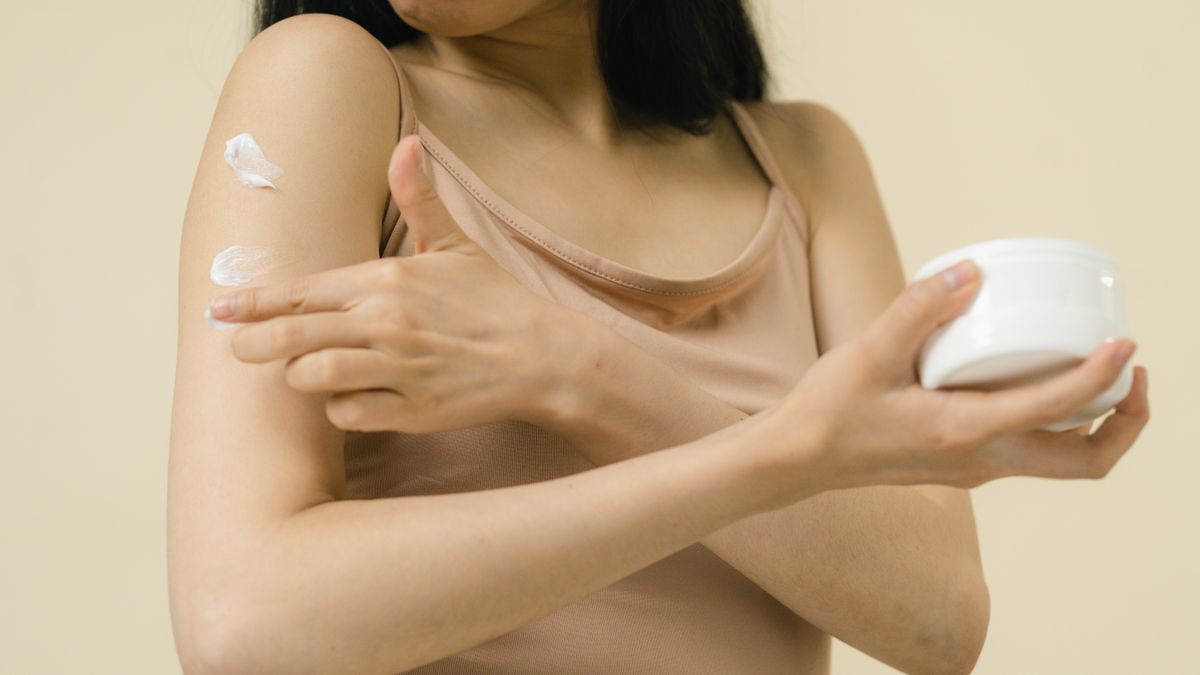
Run your hand over the back of your upper arm. If it feels like a permanently cold chicken, a fine field of tiny rough bumps that no amount of moisturiser seems to flatten, congratulations: you have keratosis pilaris. So does roughly half the planet at some point, which is cold comfort when you are eyeing a strappy top with suspicion.
The bumps are harmless. They do not hurt, they are not contagious, and they are absolutely not a hygiene problem. What they are is stubborn, widely misunderstood, and surrounded by terrible advice involving body scrubs that make everything worse. Let’s fix the understanding first, then the arms.
Quick answer: There is no cure for keratosis pilaris, but you can smooth it considerably. Exfoliate with a chemical exfoliant containing urea, lactic acid or salicylic acid, moisturise every day, keep showers short and lukewarm, and never scrub or pick at the bumps. It is a harmless, genetic condition affecting up to 40% of adults, and it often improves with age. IPL does not treat keratosis pilaris directly, because the problem is trapped keratin, not hair.
Key Takeaways
- Keratosis pilaris is harmless, extremely common and genetic. It is caused by keratin plugging hair follicles, not by dirt or poor exfoliation.
- It cannot be cured, but chemical exfoliation plus daily moisturising manages it well, and it often fades with age.
- Scrubbing, picking and DIY acid “hacks” inflame it and can leave marks. Gentleness wins.
- It gets worse in dry conditions, which is why winter and centrally heated rooms are its natural habitat.
- IPL is not a treatment for it. The condition is a keratin problem, and IPL targets hair.
What Is Keratosis Pilaris?
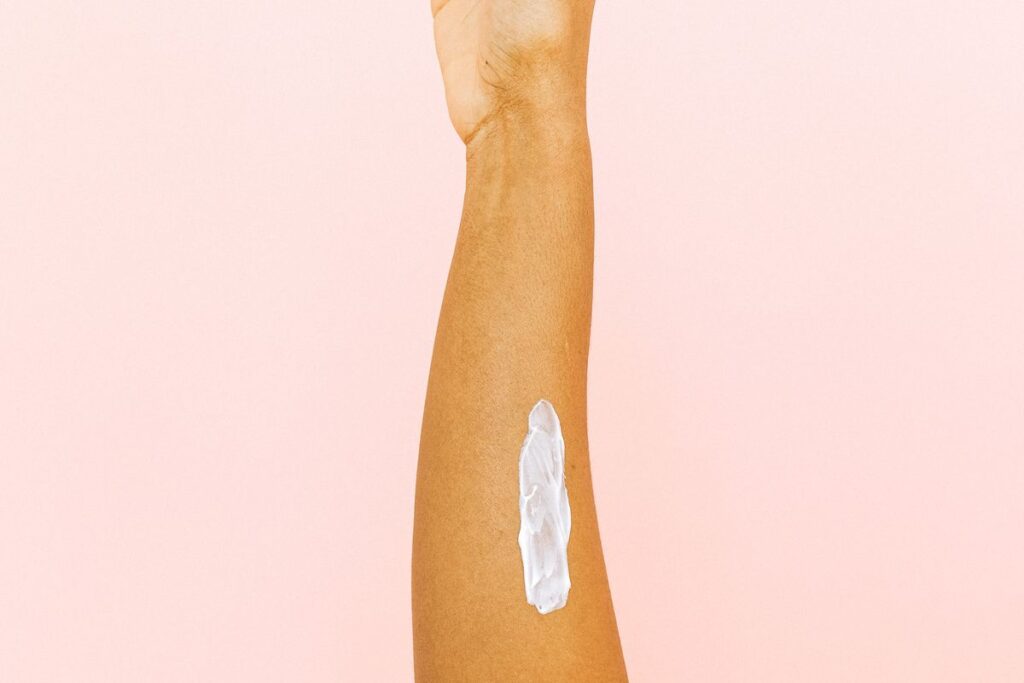
Keratosis pilaris is a common, harmless skin condition in which keratin, a protein that protects your skin, builds up and plugs the opening of a hair follicle. Each plugged follicle becomes a small, rough bump, and hundreds of them together create the sandpapery texture on the backs of the upper arms, thighs, buttocks and sometimes cheeks. The bumps can be skin-coloured, red, brown or white depending on your skin tone.
It is spectacularly common. According to StatPearls, published by the National Library of Medicine, keratosis pilaris affects 50 to 80% of adolescents and around 40% of adults. If you have it, you are firmly in the majority, and the internet’s implication that you have simply failed to exfoliate correctly is nonsense.
The reason it resists your best scrubbing efforts is that it is largely genetic. It runs in families and is linked to loss-of-function changes in the filaggrin gene, the same gene involved in eczema and general skin dryness. This is why keratosis pilaris, dry skin and eczema so often turn up together, and why treating it is about managing a tendency rather than curing a fault.
What Causes Keratosis Pilaris on the Arms?
The upper arms are the classic site because their follicles are prone to this keratin plugging, but a handful of factors decide how visible it gets.
- Genetics. The main driver. If a parent has chicken skin, there is a good chance you drew the same card.
- Dry skin. Keratosis pilaris and dryness feed each other. Dehydrated skin plugs follicles more readily and looks rougher, which is why moisturising matters as much as exfoliating.
- Cold, dry weather. Most people notice their arms are worse in winter and calmer in humid summer months. Central heating is a quiet culprit.
- A compromised skin barrier. Because of the filaggrin link, the barrier tends to hold less water, which keeps the whole cycle turning.
Notice what is missing from that list: hygiene and effort. You did not cause this by under-washing, and you cannot out-scrub your own genetics.
One quick sanity check before you treat anything: make sure it really is keratosis pilaris. The giveaway is texture without drama, small, evenly scattered, painless bumps you feel more than see. Clusters of tender, pus-topped spots are more likely folliculitis. Larger, sore, cystic lumps point to body acne. Itchy, blotchy, spreading patches suggest eczema or an allergic reaction. If your bumps hurt, change quickly, or you simply are not sure, a quick look from a pharmacist or doctor settles it. The honest tell is that it is remarkably boring to look at: rough, uniform and undramatic.
7 Proven Ways to Smooth Keratosis Pilaris
1. Use Chemical Exfoliation, Not a Scrub
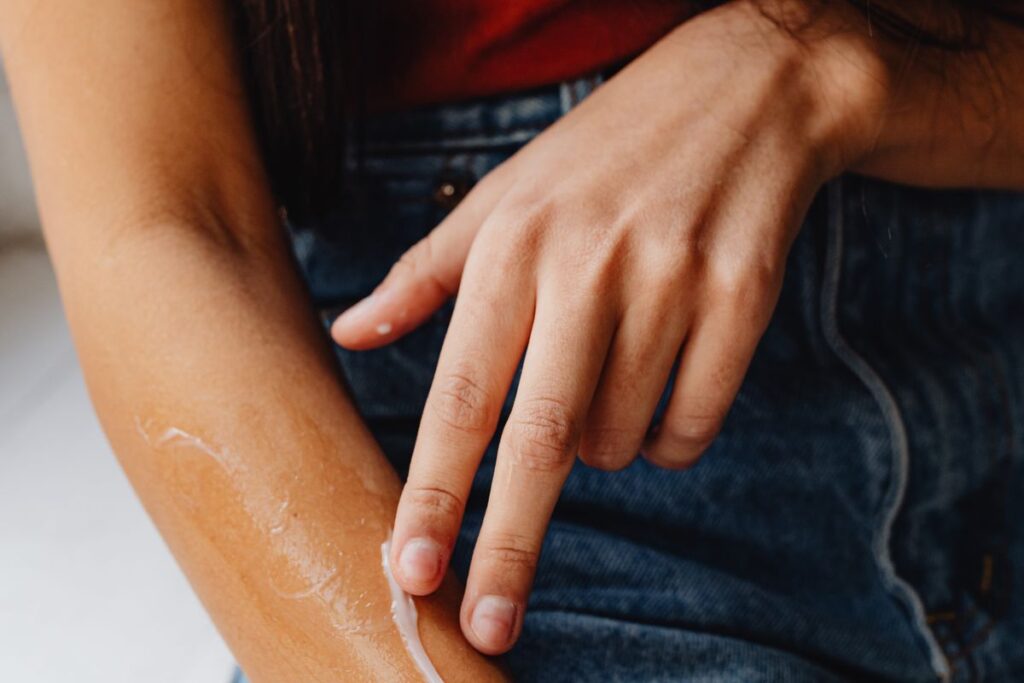
This is the single most effective step. Chemical exfoliants dissolve the keratin plugs that a scrub just grinds against. Look for urea, which both exfoliates and hydrates, or lactic acid, salicylic acid and glycolic acid. A body lotion or cream containing one of these, used a few times a week, does far more than any exfoliating mitt. Reviews of topical keratolytics consistently rank these acids and urea as the first-line approach for follicular plugging.
2. Moisturise Like It Is Your Job
Because the condition is tied to dryness, hydration is not optional. Apply a rich, fragrance-free moisturiser to damp skin after showering, every single day. Ingredients like ceramides, glycerin and urea help the barrier hold water. Skip this and even the best exfoliant underperforms.
3. Keep Showers Short and Lukewarm
Long, hot showers strip the skin of the oils it badly needs. Keep the water lukewarm, keep it brief, and use a gentle, fragrance-free cleanser rather than a stripping soap. Pat, do not rub, and moisturise within a few minutes while the skin is still damp.
4. Do Not Pick, Scrub or Pop
The bumps are not spots and there is nothing to extract. Picking breaks the skin and risks scarring and dark marks that outlast the bumps by months. Aggressive scrubbing and dry brushing inflame the follicles and can turn a cosmetic annoyance into an angry, red one. This is the hardest rule to follow and the most important.
5. Fight the Dryness at Its Source
If your arms flare every winter, a humidifier in the rooms you spend most time in genuinely helps. So does dialling back the central heating a notch and drinking enough water. None of this is a cure, but managing the dryness that amplifies it takes the edge off the visible texture.
6. Consider a Retinoid for Stubborn Cases
For arms that do not respond to acids and moisturiser, a topical retinoid can help normalise how the skin sheds and plugs. Introduce it slowly, expect some initial dryness, and ideally get a dermatologist’s guidance, since retinoids can irritate. It is a step up, not a starting point.
7. Manage Your Expectations
This one is not glamorous but it saves a lot of frustration. It is managed, not cured. With consistent care the bumps soften and the redness calms, but they may never vanish entirely, and they can return if you stop. The good news is that it very commonly improves on its own with age. Smoother, not perfect, is a realistic and achievable goal.
Does IPL or Laser Help Keratosis Pilaris?
An honest answer, since this is a hair-removal site and you might reasonably expect a sales pitch here. IPL does not treat it. The condition is a disorder of keratin plugging follicles, and IPL targets the melanin in hair. Different problem, different mechanism. No home IPL device will clear your chicken skin, and anyone implying otherwise is overselling.
There are two narrow, honest caveats. In clinic, certain lasers are sometimes used specifically to reduce the persistent redness that can accompany it, but that is a targeted medical treatment for the colour, not the bumps, and not something a home device does. And if trapped or ingrown hairs are inflaming some of your follicles, reducing that hair can calm that specific inflammation. That overlaps with the follicle problems we covered in Strawberry Legs, which shares some causes with it.
So if you are drawn to IPL, do it for smoother, hair-reduced skin and fewer ingrown hairs, not as a cure for it. The exfoliate-and-moisturise routine above is the actual treatment, and it costs a fraction of any device. That is a strange thing for a hair-removal brand to say, and it is still true.
When to See a Dermatologist
It rarely needs medical care, but a dermatologist is worth seeing if the bumps are very inflamed, itchy or spreading, if you are unsure whether it is keratosis pilaris at all, or if home care has done nothing after a few consistent months. A rarer variant can cause redness and, occasionally, scarring or hair thinning on the affected area, and that is worth professional assessment. A dermatologist can also prescribe stronger exfoliating and retinoid treatments than you can buy over the counter.
Frequently Asked Questions About Keratosis Pilaris
What is keratosis pilaris?
Keratosis pilaris is a common, harmless skin condition where keratin plugs hair follicles, creating small rough bumps, most often on the backs of the upper arms and thighs. It is sometimes called chicken skin. It is genetic, linked to dry skin and eczema, and affects up to 80% of adolescents and around 40% of adults.
Can keratosis pilaris be cured?
No, there is no cure, but it can be managed well and often improves with age. Consistent chemical exfoliation and daily moisturising soften the bumps and calm the redness. Because the condition is genetic, the goal is control rather than elimination, and results fade if you stop the routine.
How do you get rid of keratosis pilaris on your arms?
You smooth it rather than remove it. Use a chemical exfoliant with urea, lactic or salicylic acid a few times a week, moisturise daily with a rich fragrance-free cream, keep showers short and lukewarm, and never scrub or pick. Improvement is gradual over weeks, and consistency is what keeps the arms smooth.
Does keratosis pilaris go away on its own?
It often improves with age, and many people find it fades noticeably by their thirties or forties, though this varies. It can also flare and settle with the seasons, typically worse in dry winter months. It will not disappear overnight, but for a lot of people it becomes much less noticeable over time even without treatment.
Why is my keratosis pilaris worse in winter?
Because cold air and indoor heating dry the skin, and it worsens when skin is dry. Lower humidity means the skin barrier holds less water, follicles plug more readily, and the texture becomes rougher and often redder. Diligent moisturising and a humidifier during winter usually take the edge off.
Does shaving make keratosis pilaris worse?
Shaving over the bumps can irritate them and occasionally nick the raised follicles, but it does not cause the condition. If you shave affected areas, use a sharp blade and gel and go gently. Reducing irritation helps, but the core treatment is still exfoliation and moisturising rather than any change to how you remove hair.
Does IPL or laser get rid of keratosis pilaris?
Home IPL does not treat it, because the condition is trapped keratin rather than hair. In a clinic, some lasers are used to reduce the associated redness specifically, but that targets the colour, not the bumps. If ingrown hairs are inflaming certain follicles, reducing hair can calm that, but the actual treatment for the texture is topical exfoliation and moisturising.
Is keratosis pilaris caused by a vitamin deficiency?
Not in the everyday sense. It is primarily a genetic condition linked to the filaggrin gene, not a simple vitamin deficiency you can eat your way out of. While severe deficiencies in certain vitamins can affect skin, taking supplements does not clear ordinary chicken skin. Topical exfoliation and moisturising remain the evidence-based approach.
Is keratosis pilaris the same as strawberry legs?
They overlap but are not identical. Keratosis pilaris is one possible cause of the speckled look people call strawberry legs, but that term also covers clogged follicles, shaving-related dots and ingrown hairs. Keratosis pilaris specifically is the rough, bumpy, sandpapery texture from keratin plugging, most obvious on the upper arms.
Sources and Further Reading
- StatPearls / National Library of Medicine — Keratosis Pilaris
- Cleveland Clinic — Keratosis Pilaris: Causes, Symptoms and Treatment
- American Academy of Dermatology — Keratosis pilaris: Diagnosis and treatment
- SnowySkin — Strawberry Legs: What Causes Them and How to Get Rid of Them
